
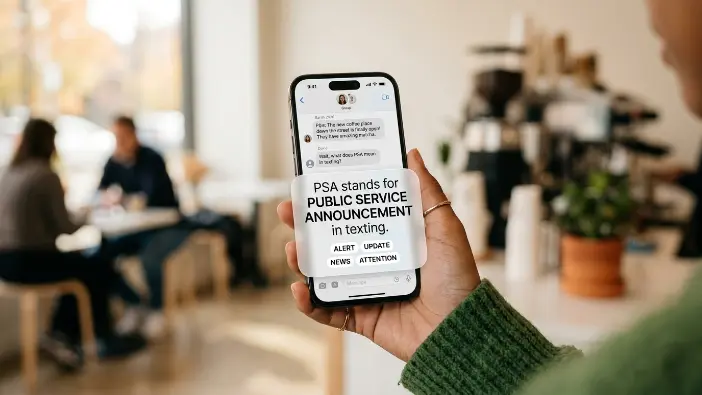
PSA means “Public Service Announcement” in texting, but it is not always formal. People use PSA when they want to share something important, useful, funny, or attention-grabbing. You may see it in texts, Instagram captions, TikTok comments, WhatsApp chats, and social media posts.
In simple words, PSA means the person wants you to pay attention to their message. In 2026, PSA is commonly used for warnings, reminders, jokes, advice, and casual opinions.
What Does PSA Mean
PSA means “Public Service Announcement.” In texting and social media, people use PSA before a message when they want to share something important, useful, funny, serious, or attention-grabbing. It does not always mean an official announcement.
Sometimes people use PSA to deliver warnings, reminders, advice, jokes, personal opinions, or dramatic statements. In simple words, PSA means, “Pay attention — this is something people should know.”
Simple Meaning
The simple meaning of PSA in text is:
A quick message, reminder, or warning that someone thinks others should notice.
It is like saying:
- Important reminder
- Quick warning
- Just so you know
- Listen up
- Helpful notice
- Public reminder
- Pay attention to this
For example:
“PSA: Drink water before your headache starts.”
This is a simple reminder.
Another example:
“PSA: If they wanted to reply, they would.”
This sounds emotional and a little dramatic, but people often use PSA this way on social media.
The key thing to remember is this:
PSA makes a normal sentence feel stronger.
Without PSA:
“Don’t share your password.”
With PSA:
“PSA: Don’t share your password with anyone.”
The second version feels more serious and attention-grabbing.
Where Is It Used?
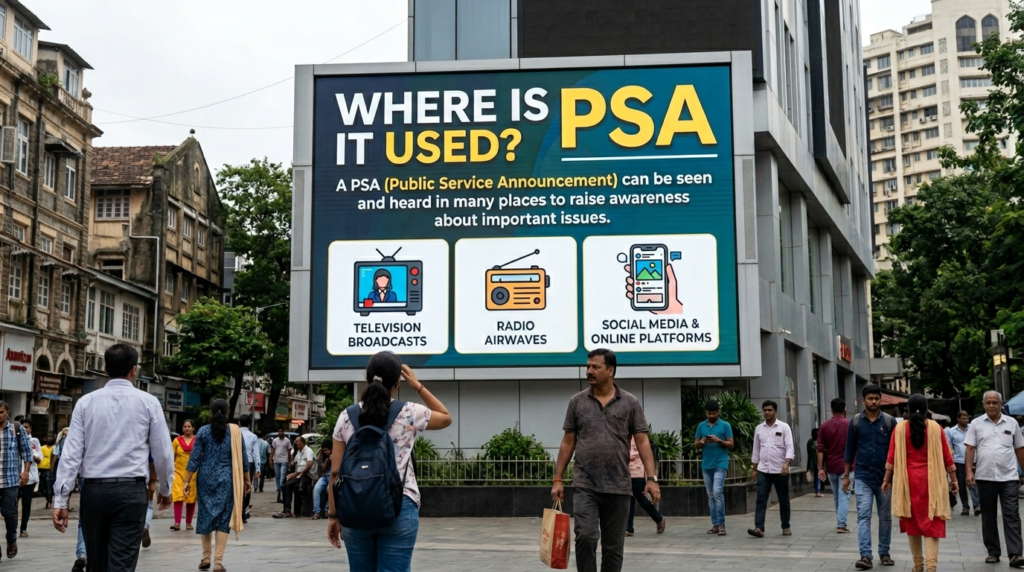
You can see PSA almost everywhere online. It is not limited to one app or platform. People use it in private messages, group chats, captions, comments, and short videos.
Text Messages
In normal texting, PSA is often used to give a quick reminder.
Example:
“PSA: I’m not checking messages after 10 PM tonight.”
This means the person is setting a clear boundary.
WhatsApp Group Chats
In WhatsApp groups, PSA is common because people want everyone to notice the same update.
Example:
“PSA: The meeting has moved from 6 PM to 7 PM.”
This is useful because group chats can get messy, and important messages are easy to miss.
Instagram Captions
On Instagram, PSA is often used for emotional, motivational, or relatable posts.
Example:
“PSA: You don’t have to explain your peace to anyone.”
This kind of PSA sounds deep, personal, and shareable.
TikTok Videos
On TikTok, PSA is used in captions, comments, and video text. It often introduces a strong opinion or a funny truth.
Example:
“PSA: Not every viral skincare hack is safe for your face.”
Here, PSA is used as a warning.
Snapchat Stories
People also use PSA on Snapchat when they want to post a quick update.
Example:
“PSA: I’m staying home today. Don’t call me outside.”
It sounds casual, but the message is clear.
X, Facebook, and Threads
On public platforms, PSA is used for opinions, social issues, safety tips, and personal reminders.
Example:
“PSA: Being busy is not an excuse to be rude.”
This type of message feels serious and direct.
Why Do People Use It?
People use PSA in texting because it instantly makes a message stand out.
A normal message can feel simple. But when you add PSA, it feels like an announcement. That is why people like using it.
To Grab Attention
PSA catches the reader’s eye fast.
Example:
“PSA: Check your privacy settings today.”
This feels more urgent than just saying, “Check your privacy settings.”
To Share Advice
People use PSA to give advice that feels useful.
Example:
“PSA: Save your important photos before changing phones.”
This is practical advice that many people may need.
To Warn Others
PSA is also used when someone wants to protect others from a mistake.
Example:
“PSA: Don’t click random links from unknown accounts.”
This is a clear online safety warning. ⚠️
To Be Funny
Not every PSA is serious. Many people use it for jokes.
Example:
“PSA: One fry means at least five fries.”
This is funny because it sounds like an official rule, even though it is just a joke.
To Share Strong Opinions
People also use PSA before opinions they want others to take seriously.
Example:
“PSA: You can disagree without being disrespectful.”
This sounds like a life lesson or reminder.
To Set Boundaries
PSA can help people say something clearly without writing a long explanation.
Example:
“PSA: I’m not available for last-minute plans anymore.”
This sounds direct but still casual.
Examples
Here are some real-life examples of PSA meaning in texting, with simple explanations.
Example 1: Helpful Reminder
Text:
“PSA: Don’t forget to charge your phone before the road trip.”
Meaning:
The person is reminding others to prepare before traveling.
Example 2: Funny Message
Text:
“PSA: Never go shopping when you’re hungry.”
Meaning:
This is a funny warning because hungry people often buy extra snacks.
Example 3: Relationship Advice
Text:
“PSA: Mixed signals are still signals.”
Meaning:
The sender is giving emotional advice about relationships.
Example 4: Safety Warning
Text:
“PSA: Never share your OTP or verification code with anyone.”
Meaning:
This is a serious warning about online scams.
Example 5: Social Media Caption
Caption:
“PSA: Rest is not laziness.”
Meaning:
This is a motivational reminder that taking breaks is healthy.
Example 6: Group Chat Update
Text:
“PSA: Dinner is at 8, not 7.”
Meaning:
The person is correcting the time for everyone.
Example 7: Sarcastic PSA
Text:
“PSA: Saying ‘I’m fine’ usually means the opposite.”
Meaning:
This is a sarcastic or relatable statement about emotions.
Example 8: Personal Boundary
Text:
“PSA: I reply when I have the energy, not when my phone rings.”
Meaning:
The person is explaining their texting boundary.
What Does PSA Mean in Texting? (2026) vs Similar Terms
PSA can look similar to other texting abbreviations, but the meaning and tone are different.
| Term | Full Form | Meaning | Tone | Example |
|---|---|---|---|---|
| PSA | Public Service Announcement | Important reminder, warning, or message | Serious, funny, or dramatic | PSA: Don’t text your ex at midnight. |
| FYI | For Your Information | Sharing information | Neutral and simple | FYI, the class starts late today. |
| BTW | By The Way | Adding extra information | Casual | BTW, I saw your post. |
| IMO | In My Opinion | Sharing a personal view | Opinion-based | IMO, that movie was too long. |
| Reminder | Reminder | Something to remember | Direct | Reminder: Pay your bill today. |
| Heads up | Alert or warning | Giving early notice | Friendly | Heads up, traffic is bad today. |
The main difference is that PSA feels stronger than FYI or BTW.
If someone says FYI, they are just giving information.
If someone says PSA, they want the message to feel more important, noticeable, or shareable. 🔥
When Should You Use It?
You should use PSA when you want your message to stand out.
It works best when your message is useful, important, funny, or worth noticing.
Use PSA when you want to:
- Give a warning
- Share a reminder
- Make a strong point
- Post a funny truth
- Set a boundary
- Share safety advice
- Correct a common mistake
- Say something relatable
For example:
“PSA: You don’t need to reply instantly to prove you care.”
This works because it sounds emotional and helpful.
Another example:
“PSA: Always check the date before sharing news.”
This works because it gives useful online advice.
You can also use PSA in captions:
“PSA: Protect your peace like it matters, because it does.”
This sounds personal and powerful.
But use it carefully. If you use PSA too much, it can lose meaning. Not every sentence needs to sound like a public announcement.
Common Misunderstandings
Even though PSA is common, many people still misunderstand it. Here are the biggest mistakes.
PSA Does Not Always Mean an Official Announcement
The original meaning is Public Service Announcement, which sounds official.
But in texting, it is often casual.
Example:
“PSA: Stop sleeping with your makeup on.”
This is not official. It is just advice.
PSA Is Not Always Serious
Some PSA messages are serious, but many are jokes.
Example:
“PSA: Coffee before conversation.”
This is funny, not urgent.
PSA Is Not the Same as FYI
FYI simply means “for your information.”
PSA feels stronger and more attention-grabbing.
Example:
“FYI, I changed my number.”
This is simple information.
“PSA: Don’t answer calls from fake bank numbers.”
This sounds like a warning.
PSA Can Sound Bossy
Because PSA sounds like an announcement, it can feel rude if the message is too harsh.
Example:
“PSA: Some people need to learn manners.”
This may sound aggressive.
A better version:
“PSA: Kindness makes every conversation better.”
This sounds more respectful.
PSA Can Be Confused With Medical Terms
Outside of texting, PSA can also mean other things, such as Prostate-Specific Antigen in medical contexts.
But in texting and social media, PSA usually means Public Service Announcement.
Context matters.
If your friend writes:
“PSA: Don’t forget your umbrella.”
They are not talking about a medical test. They are just giving a reminder.
Pro Tips
Here are some simple tips to use PSA correctly and naturally.
Put PSA at the Start
The most common format is:
“PSA: Your message here.”
Example:
“PSA: Back up your files before updating your phone.”
This format is clean and easy to understand.
Keep It Short
PSA works best when the message is quick.
Instead of writing a long paragraph, make it direct.
Good example:
“PSA: Check your spam folder for important emails.”
This is simple and useful.
Match the Tone
Use PSA seriously when the topic is serious.
Example:
“PSA: Never send money to someone you only met online.”
Use PSA playfully when the topic is funny.
Example:
“PSA: Dessert is not optional.”
Both work, but the tone is different.
Do Not Use PSA to Attack People
A PSA should not feel like an insult.
Avoid:
“PSA: Nobody wants to hear your drama.”
Better:
“PSA: Protect your peace and choose calm conversations.”
The second version sounds mature and helpful.
Use It for Shareable Thoughts
PSA is great for short lines that people may want to repost.
Example:
“PSA: Your worth is not measured by someone’s reply speed.”
This kind of sentence works well on Instagram, TikTok, and Facebook.
Be Careful in Formal Messages
In professional emails, PSA can sound too casual.
Instead of:
“PSA: The report is due tomorrow.”
Use:
“Reminder: The report is due tomorrow.”
That sounds more professional.
FAQ Section
What does PSA mean in texting?
PSA means “Public Service Announcement” in texting. It is used before an important reminder, warning, helpful tip, opinion, or message that someone wants others to notice.
Is PSA slang?
Yes, PSA is used like internet slang in texting and social media. Its original meaning is formal, but online people use it casually for jokes, advice, warnings, and relatable posts.
What does PSA mean on Instagram or TikTok?
On Instagram or TikTok, a PSA usually introduces a strong message, warning, reminder, or opinion. For example, “PSA: Stop comparing your real life to someone’s edited post.”
Can PSA be used funnily?
Yes. Many people use PSA funnily or dramatically. For example, “PSA: Never trust someone who says they only want one bite.” It sounds official, but it is meant as a joke.
Final Thoughts
PSA means “Public Service Announcement” in texting, but online, it is used in a casual and flexible way.
People use it to share reminders, warnings, advice, jokes, strong opinions, and personal boundaries. It can sound serious, funny, sarcastic, caring, or dramatic depending on the message.
The easiest way to understand PSA is this:
When someone writes “PSA,” they want you to pay attention to what comes next.
Use it when your message is useful or worth noticing. Just keep your tone clear, friendly, and respectful. A good PSA can make your message stronger without making it sound rude. ✅
Featured Snippet Answer
PSA means “Public Service Announcement” in texting. People use it before an important reminder, warning, opinion, or helpful message. In casual chats, PSA can sound serious, funny, sarcastic, or emotional depending on context.
Discover More Post:
https://defineily.com/fml-mean/
https://defineily.com/sp-mean/
https://defineily.com/tuesday-quotes-funny/